
Footwear Craft • Guide
Why Quality Shoes Last for Years
Buy once, wear for years. Here’s how leather grade, construction, fit, and care work together—plus what to look for when you’re choosing your next pair.

The Four Pillars of Longevity
1) Leather Quality
Full-grain leather preserves the strongest natural fibers of the hide. It develops a rich patina, resists cracking when conditioned, and holds shape for years—unlike heavily corrected or bonded leathers.
2) Construction Method
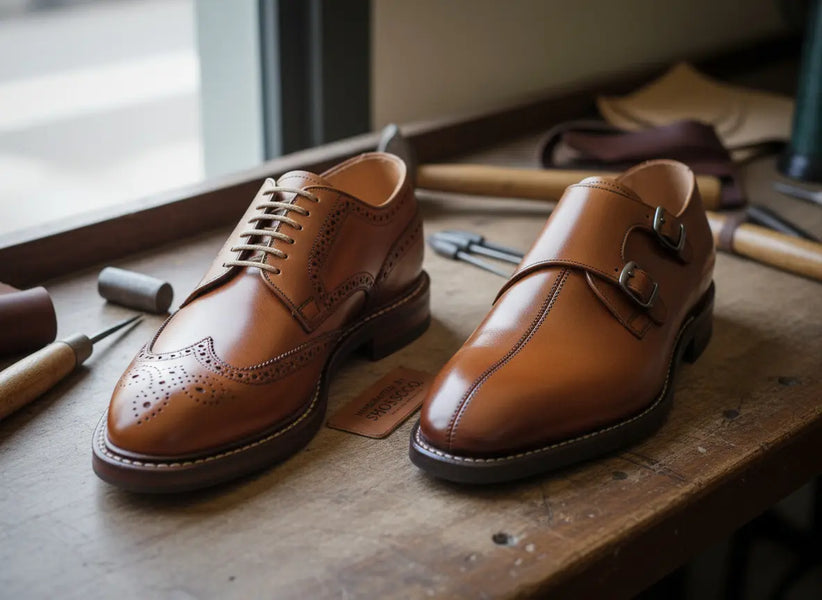
Serviceable builds like Goodyear welt allow resoling without harming the upper. That’s the foundation of long-term value.
3) Fit & Last Shape
A refined last supports your arch and heel, reducing hot spots and creasing. The better the fit, the longer the leather and stitches endure.
4) Care Routine
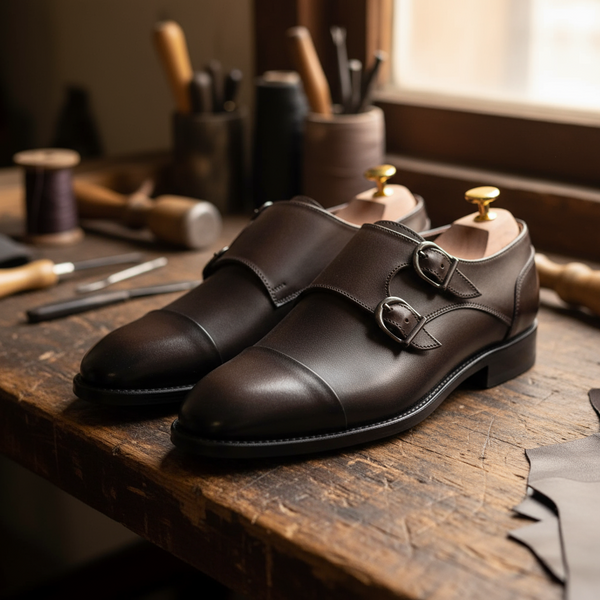
Brush after wear, condition monthly, and rotate pairs. Little habits compound into years of extra life.
What to Look For When Buying
- Upper: Full-grain or top-tier suede; tight, even stitching.
- Construction: Goodyear welt for longevity; leather or hybrid soles suited to your climate.
- Lining & Insole: Breathable leather linings; supportive footbed.
- Edge Work: Clean welt, even dye, burnished edges.
Why Resoleable Shoes Cost Less Over Time
Replacing glued shoes each season adds up. A resoleable pair spreads cost across years—and looks better doing it.
Care Cheatsheet
| After Wear | Monthly | Seasonal |
|---|---|---|
| Brush & insert cedar trees | Condition leather | Deep clean & polish |
| Air-dry away from heat | Check heels/edges | Resole when tread thins |
FAQs
How long can quality shoes last?
With care and occasional resoles, premium leather shoes can serve 10+ years. Materials and construction make the difference.
Is full-grain leather worth it?
Yes—strength, breathability, and patina. It breaks in beautifully and outlasts corrected leathers.
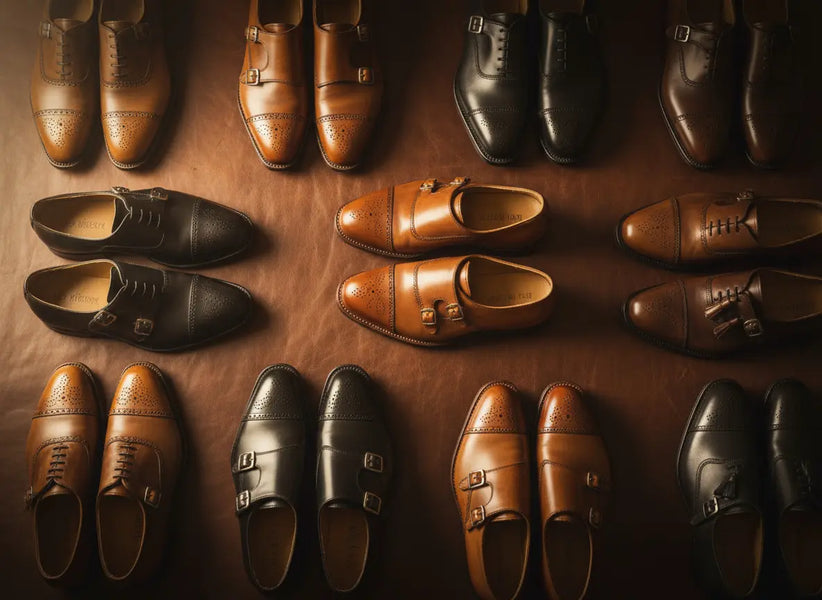
Do I need multiple pairs?
Rotating pairs lets leather recover moisture balance, extending life and comfort.